
Exploring The 4 Types Of Sexual Harassment – A Complete Guide
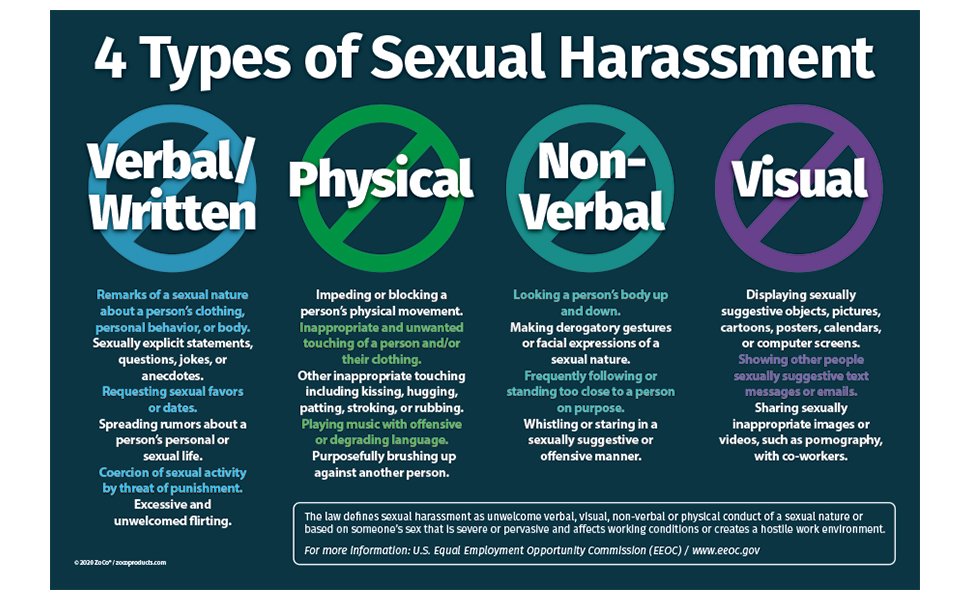
Sexual harassment is a pervasive issue that can take on various forms, each harmful in its own right. The four types of sexual harassment include quid pro quo, hostile work environment, sexual favoritism, and retaliation. Quid pro quo involves explicit or implicit requests for sexual favors in exchange for job benefits. Hostile work environment occurs when unwelcome sexual conduct creates a hostile or intimidating work atmosphere. Sexual favoritism involves showing preferential treatment based on granting sexual favors. Retaliation happens when adverse actions are taken against an individual for reporting sexual harassment. Understanding these types is crucial in combatting this unacceptable behavior.

What Are the Four Types of Sexual Harassment?
Sexual harassment is a serious issue that can happen in many different forms. Understanding the different types of sexual harassment is crucial in order to identify and address inappropriate behavior. In this article, we will explore the four main types of sexual harassment and provide examples to help you recognize them.
1. Quid Pro Quo Harassment
Quid pro quo harassment occurs when a person in a position of power requests sexual favors in exchange for a benefit or to avoid a negative consequence. This type of harassment can happen in the workplace, at school, or in other settings where there is a power dynamic at play.
For example, imagine a supervisor who tells an employee that they will get a promotion if they go out on a date with them. This is a clear example of quid pro quo harassment because the supervisor is conditioning the promotion on the employee’s willingness to engage in a romantic or sexual relationship.
2. Hostile Work Environment Harassment
Hostile work environment harassment involves creating an environment that is intimidating, offensive, or hostile due to unwelcome sexual behavior. This type of harassment can include inappropriate comments, gestures, or physical contact that makes someone feel uncomfortable or threatened.
An example of hostile work environment harassment could be a coworker who makes lewd jokes, sends explicit emails, or displays sexually explicit images in the workplace. These behaviors create a hostile environment that can make it difficult for the victim to feel safe and respected at work.
3. Verbal Harassment
Verbal harassment involves using language or words of a sexual nature to intimidate, humiliate, or offend someone. This type of harassment can include sexual comments, jokes, or innuendos that are unwelcome and create a hostile environment.
For instance, a student who repeatedly makes sexually suggestive comments to a classmate, despite being asked to stop, is engaging in verbal harassment. This behavior can make the victim feel uncomfortable and unsafe in their learning environment.
4. Non-Verbal Harassment
Non-verbal harassment refers to unwanted actions, gestures, or behaviors of a sexual nature that create a hostile or offensive environment. This type of harassment can include staring, leering, or making inappropriate physical gestures towards someone.
An example of non-verbal harassment is when a customer at a store repeatedly makes suggestive gestures or invades a worker’s personal space. These actions can make the worker feel uncomfortable and unsafe while performing their job duties.
In conclusion, understanding the four types of sexual harassment is essential in order to recognize and address inappropriate behavior. By being aware of the different forms that sexual harassment can take, we can work towards creating safe and respectful environments for everyone. Remember, if you experience or witness any form of sexual harassment, speak up and seek help from trusted individuals or authorities.
3 MORE Examples of Sexual Harassment Lawsuits and Settlements
Frequently Asked Questions
What is quid pro quo sexual harassment?
Quid pro quo sexual harassment occurs when a person in authority requests sexual favors in exchange for something, such as a job, promotion, or certain benefits. This type of harassment involves a clear expectation of a predetermined outcome based on the acceptance or rejection of the request for sexual favors.
What constitutes hostile work environment sexual harassment?
A hostile work environment sexual harassment refers to unwelcome comments, jokes, or behavior of a sexual nature that creates an intimidating, hostile, or offensive work environment. This type of harassment can involve inappropriate touching, lewd remarks, or explicit materials that make an individual feel uncomfortable or unsafe in the workplace.
How is gender-based sexual harassment defined?
Gender-based sexual harassment involves targeting an individual based on their gender, sexual orientation, or gender identity. This type of harassment can include discriminatory actions, comments, or behavior that are directed at someone because of their gender, creating a hostile or offensive environment for that individual.
What characterizes retaliation for reporting sexual harassment?
Retaliation for reporting sexual harassment occurs when an individual faces negative consequences, such as demotion, termination, or other forms of retaliation, as a result of reporting incidents of sexual harassment. This type of behavior is illegal and aims to silence victims or discourage them from seeking help or speaking out against harassment.
Final Thoughts
In conclusion, sexual harassment can take various forms, including quid pro quo, hostile work environment, sexual coercion, and unwanted sexual attention. These four types of sexual harassment can have serious impacts on individuals’ well-being and work environment. It is crucial for organizations to address and prevent all forms of sexual harassment to ensure a safe and respectful workplace. Understanding what the four types of sexual harassment entail is essential in creating a culture that promotes equality and respect for all.