
Exploring What Is An Extended Constructed Response
Tags: basics, components, constructed responses, extended constructed response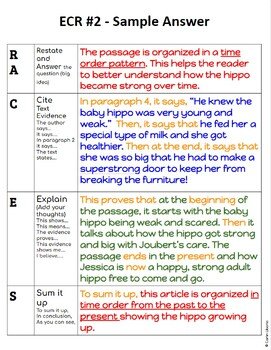
An extended constructed response is a detailed written answer that requires critical thinking and analysis. It goes beyond simple recall to demonstrate a deep understanding of a topic. These responses are commonly found in tests and exams to evaluate students’ comprehension and reasoning skills. Mastering the art of crafting well-structured extended constructed responses is essential for academic success. Let’s delve into the key components and strategies needed to excel in this type of assessment.

What is an Extended Constructed Response?
Welcome, young writers! Today, we’re going to dive into the exciting world of extended constructed responses. Have you ever wondered what exactly this type of writing assignment is all about? Well, wonder no more! In this blog post, we’ll explore the ins and outs of extended constructed responses and discover how you can become a pro at crafting them. So, let’s get started!
The Basics of Extended Constructed Responses
So, let’s break it down. An extended constructed response, often referred to as an ECR, is a type of writing assignment where you are asked to provide a thoughtful and detailed answer to a specific question or prompt. Unlike short answer questions that require brief responses, ECRs give you the opportunity to showcase your writing skills and express your ideas in more depth.
When working on an extended constructed response, you will typically need to support your answer with evidence from the text or other sources. This means you have to not only share your opinion but also back it up with facts, examples, or details to make your point more convincing.
Why Are Extended Constructed Responses Important?
You might be wondering, “Why do I need to write extended constructed responses?” Well, ECRs are a great way for you to practice critical thinking, analytical skills, and effective communication. By crafting well-structured responses, you develop the ability to organize your thoughts cohesively and present your ideas clearly.
Moreover, extended constructed responses help you deepen your understanding of a topic by forcing you to think critically about it. Instead of just skimming the surface, ECRs encourage you to delve into the details, analyze different perspectives, and form well-supported arguments.
Components of an Extended Constructed Response
Now, let’s talk about the key components that make up a strong extended constructed response. When tackling an ECR, keep in mind the following elements:
1. Introduction
Start your response with an engaging introduction that clearly states your main idea or thesis. Your introduction should grab the reader’s attention and provide a roadmap for what’s to come in your response.
2. Body Paragraphs
The body of your ECR should consist of several paragraphs that present your arguments and supporting evidence. Each paragraph should focus on a specific point and include examples, quotations, or explanations to bolster your argument.
3. Evidence
It’s crucial to support your arguments with evidence from the text or other relevant sources. This could include direct quotes, statistics, facts, or examples that back up your claims and demonstrate your understanding of the topic.
4. Analysis
Don’t just stop at presenting evidence – make sure to analyze and explain how your evidence supports your argument. Show your critical thinking skills by interpreting the significance of the evidence and how it strengthens your position.
5. Conclusion
Wrap up your response with a strong conclusion that summarizes your main points and restates your thesis. Your conclusion should leave a lasting impression on the reader and reinforce the importance of your argument.
Tips for Crafting an Effective Extended Constructed Response
Now that you know the essential components of an extended constructed response, let’s explore some tips to help you ace your next writing assignment:
1. Read the Prompt Carefully
Make sure you fully understand the prompt before you start writing. Pay attention to key instructions, such as what you are being asked to respond to and any specific requirements or guidelines.
2. Plan Your Response
Take some time to outline your ideas before diving into writing. Organize your thoughts, decide on your main arguments, and consider the evidence you will use to support your points.
3. Use Clear and Concise Language
Be mindful of your writing style and aim to be clear and concise in your expression. Avoid using overly complex sentences or vocabulary that might confuse your reader.
4. Edit and Revise
Once you’ve finished writing your response, take the time to review and revise it. Check for any errors in grammar, punctuation, or spelling, and make sure your ideas flow logically from start to finish.
5. Practice, Practice, Practice
Like any skill, the more you practice writing extended constructed responses, the better you will become. Take every writing assignment as an opportunity to hone your craft and improve your writing abilities.
And there you have it – a comprehensive guide to understanding and mastering extended constructed responses. Remember, ECRs are not just about writing; they are about critical thinking, analysis, and effective communication. So, the next time you’re faced with an ECR assignment, approach it with confidence and apply the tips and techniques you’ve learned here. Happy writing!
How To Score 5 Points On STAAR Extended Constructed Response in 3rd, 4th, and 5th grade
Frequently Asked Questions
What is an extended constructed response?
An extended constructed response is a type of assessment item that requires students to demonstrate their understanding of a topic by providing a detailed and well-supported written response. This format typically involves answering a prompt or question using evidence, examples, and reasoning to support their ideas.
How long should an extended constructed response be?
The length of an extended constructed response can vary depending on the specific requirements of the assignment or test. Generally, students are expected to write a response that is several paragraphs long, with a minimum word count specified by the teacher or testing guidelines. The key is to provide a thorough and well-developed answer to the prompt.
What are the key components of a strong extended constructed response?
A strong extended constructed response should include a clear thesis statement or main idea, supporting evidence from the text or other sources, explanations of how the evidence supports the main idea, and a conclusion that summarizes the key points made in the response. Additionally, effective writing mechanics, such as proper grammar, punctuation, and sentence structure, are essential for a well-crafted response.
Final Thoughts
In conclusion, an extended constructed response is a written task that requires students to demonstrate their analytical thinking and understanding of a topic. It typically involves a detailed explanation supported by evidence or examples. By engaging in this type of response, students enhance their ability to communicate effectively and showcase their knowledge and critical thinking skills. Therefore, mastering the art of writing an extended constructed response is essential for academic success.