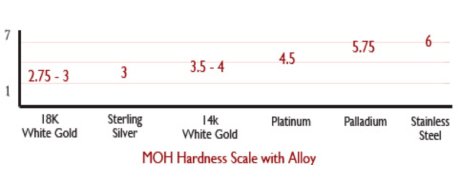
The hardness of silver is a common question among those curious about its properties. Silver’s hardness is relatively low compared to other metals, making it an ideal material for crafting intricate jewelry pieces. Despite its softness, silver can be alloyed with other metals to enhance its durability. Understanding the hardness of silver is crucial for selecting the right type of silver for specific applications. Let’s delve deeper into this fascinating topic to uncover the secrets behind the hardness of silver.

Exploring the Hardness of Silver: A Comprehensive Guide
Welcome to our detailed guide on the hardness of silver! Silver is a fascinating metal known for its lustrous shine and versatile properties. In this article, we will delve into the intricacies of silver’s hardness, covering everything you need to know about this precious metal’s durability and strength.
What Makes Silver a Soft Metal?
Silver is considered a relatively soft metal when compared to other metals like iron or steel. The reason behind silver’s softness lies in its atomic structure. Silver atoms are arranged in a way that allows for easy movement when external force is applied. This atomic arrangement gives silver its malleability and ductility, making it ideal for crafting intricate jewelry and silverware.
Understanding Mohs Hardness Scale
To measure the hardness of a material like silver, we use the Mohs hardness scale. Developed by Friedrich Mohs in 1812, this scale ranks minerals based on their scratch resistance. Silver is typically assigned a hardness rating of 2.5 to 3 on the Mohs scale, indicating its relatively soft nature.
The Impact of Alloying
While pure silver is soft, it is often alloyed with other metals to enhance its hardness and durability. Common alloys include sterling silver, which combines silver with copper to create a stronger material suitable for everyday wear. The addition of copper increases the hardness of silver without compromising its attractive appearance.
Factors Affecting Silver Hardness
Several factors can influence the hardness of silver, including its purity level, alloy composition, and manufacturing process. Higher purity silver, such as .999 fine silver, tends to be softer compared to sterling silver due to the absence of strengthening alloys.
Heat Treatment
Heat treatment is another method used to alter the hardness of silver. By heating and cooling silver at specific temperatures, it is possible to adjust its internal structure, resulting in increased hardness and strength. This process is commonly employed in the production of silverware and industrial components.
Work Hardening
Work hardening is a technique that involves deforming silver through repeated bending or hammering, which increases its hardness. This method is often used by artisans and silversmiths to strengthen silver items while maintaining their desired shape and design.
Practical Applications of Silver Hardness
Despite its soft nature, silver finds numerous applications across various industries due to its unique properties. In addition to jewelry and silverware, silver is used in electronics, medicine, and photography, showcasing its versatility and importance in modern society.
Silver Alloys in Dentistry
In dentistry, silver alloys are commonly utilized for dental fillings and crowns due to their durability and biocompatibility. These alloys provide a strong and long-lasting solution for restoring teeth while withstanding the rigors of daily chewing and biting forces.
Silver in Electronics
Silver’s conductivity and resistance to corrosion make it an ideal material for electronic components such as circuit boards and connectors. Its hardness, combined with excellent thermal and electrical properties, ensures reliable performance in various electronic devices.
In conclusion, while silver may be considered a soft metal in its pure form, its hardness can be modified through alloying, heat treatment, and work hardening techniques. Understanding the factors that influence silver hardness is key to utilizing this precious metal effectively in diverse applications. From jewelry to industrial machinery, silver’s unique combination of beauty and durability continues to make it a valuable asset in our daily lives.
Is Platinum Jewelry Better Than Gold? #traxnyc #platinum #shorts
Frequently Asked Questions
How does the hardness of silver compare to other metals?
Silver is a relatively soft metal compared to many others. It has a hardness rating of around 2.5 on the Mohs scale, which means it is more prone to scratching and bending compared to harder metals like steel or titanium.
Can silver be hardened to increase its durability?
Yes, silver can be alloyed with other metals like copper to create a harder metal known as sterling silver. Sterling silver is more durable and suitable for jewelry and other applications where increased hardness is desired.
Why is silver considered a malleable metal?
Silver is considered malleable because it can be easily hammered or shaped without breaking. Its malleability is attributed to the atomic arrangement within the metal, allowing it to be manipulated into various forms without cracking.
Final Thoughts
Silver has a hardness of about 2.5 on the Mohs scale, making it a relatively soft metal. This property affects its durability and scratch resistance. Understanding the hardness of silver is crucial for jewelry making and other industries where its use is prevalent. It is important to consider this factor when designing silver products to ensure their longevity and quality.