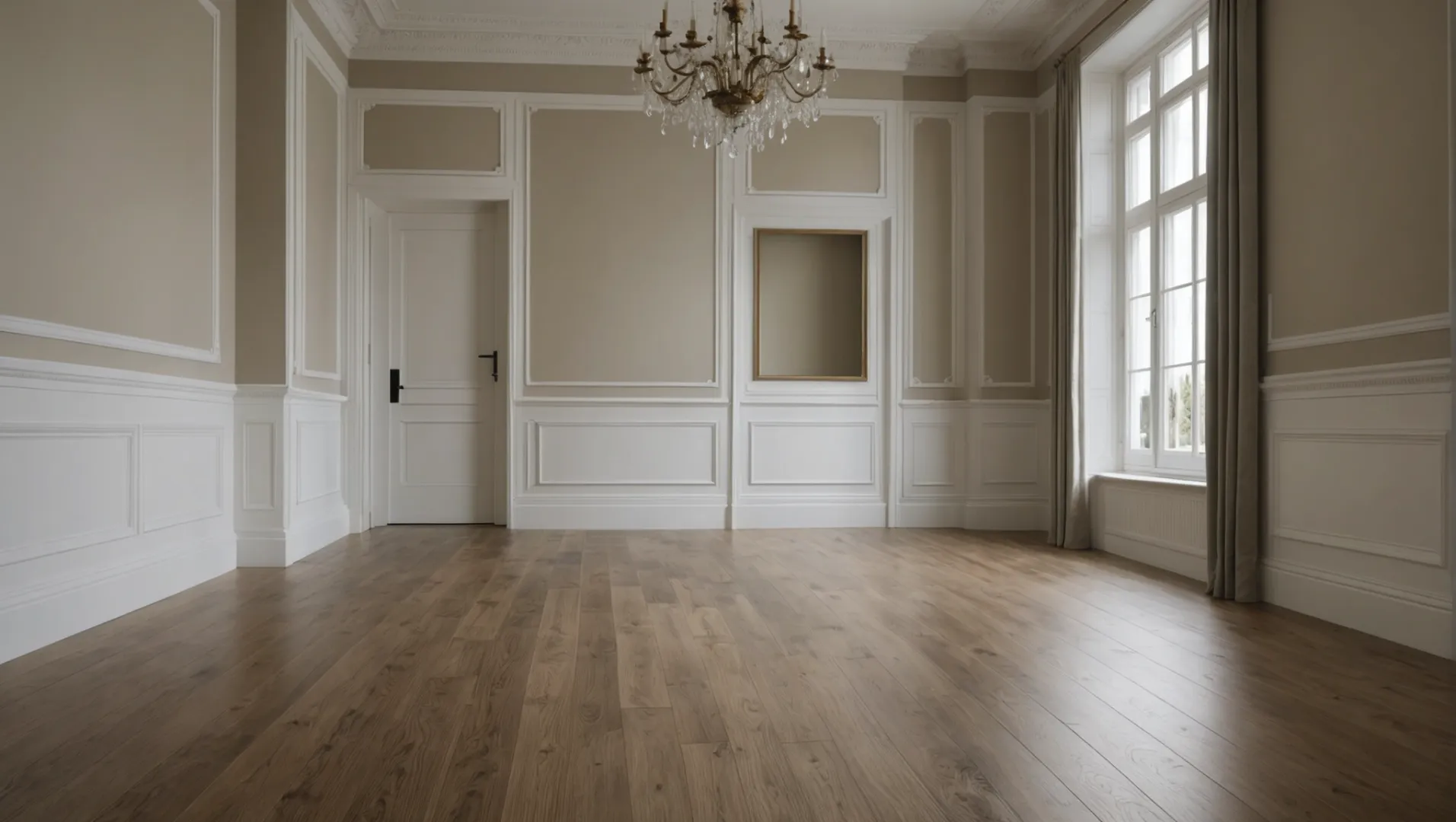
When it comes to finishing touches in interior design, skirting boards play a much bigger role than many people realize. They not only protect walls from damage but also enhance the overall look and feel of a home. Whether your house features sleek modern interiors or a timeless traditional style, choosing the right skirting board can create a seamless flow in design. The key lies in understanding how different skirting profiles, sizes, and finishes complement various home styles.
The Role of Skirting Boards in Home Design
Skirting boards were originally designed to cover the joint between walls and floors, protecting surfaces from scuffs, dirt, and accidental damage. Over time, their purpose has expanded into the decorative realm, where they add character and definition to a space. Acting as a transition feature, skirting boards can either blend into the background or stand out as a statement design element.
Skirting Boards for Modern Homes
Modern interiors are often defined by simplicity, clean lines, and minimal clutter. The design focus is usually on creating open, airy spaces with neutral colors and understated finishes. To match this aesthetic, skirting boards with plain profiles are the most suitable choice. Flat or square-edged skirting boards work well because they enhance the sleek look without drawing too much attention.
Low-height skirting boards are also popular in modern homes since they maintain a clean visual flow across the room. White or light-toned finishes further support the minimalist style, although some homeowners prefer darker tones for contrast, especially when paired with pale walls. A satin or matte finish usually complements the smooth textures commonly seen in modern design.
Skirting Boards for Traditional Homes
Traditional homes, whether period properties or classically styled interiors, often embrace intricate detailing and elegant proportions. Here, skirting boards serve not just as a protective feature but as an essential decorative detail that elevates the character of the room.
High skirting boards with decorative profiles are the best choice for traditional homes. Designs featuring ogee, torus, or lamb’s tongue profiles add richness and a sense of grandeur. These profiles reflect the craftsmanship and elegance associated with classical design. A gloss or semi-gloss finish works beautifully in traditional settings, creating a polished look that complements ornate furnishings and textured wall treatments.
For larger rooms with tall ceilings, oversized skirting boards add balance and create a sense of proportion. Painted finishes in cream, ivory, or classic white are timeless, but natural wood tones also bring warmth and authenticity to traditional spaces.
Blending Modern and Traditional Styles
Some homeowners prefer to combine modern and traditional elements, creating an interior style often called transitional. In such cases, skirting boards act as a unifying element. A mid-height skirting board with a subtle profile can bridge the gap between both design styles. Neutral finishes help tie different elements together, while slightly more decorative edges maintain elegance without overwhelming the modern side of the design.
Practical Considerations When Choosing Skirting Boards
Beyond style, practical aspects also influence the right choice of skirting board. Room size, ceiling height, and flooring type all play a role. Larger rooms benefit from taller skirting boards, while smaller rooms appear more spacious with slimmer designs. The durability of the material is also important, as skirting boards must withstand daily wear and tear.
Moisture resistance is crucial in areas like kitchens and bathrooms, while ease of maintenance should be considered in family homes. Painting or staining can refresh skirting boards over time, allowing flexibility in updating the look as your interior evolves.
Conclusion
Skirting boards may seem like a minor detail, but they have a powerful impact on both style and function within a home. For modern spaces, simplicity and subtlety are key, while traditional homes benefit from more elaborate and decorative profiles. Blending the two requires balance and thoughtful selection to ensure harmony. By choosing the right skirting board, homeowners can achieve a polished finish that enhances both the beauty and durability of their interiors.