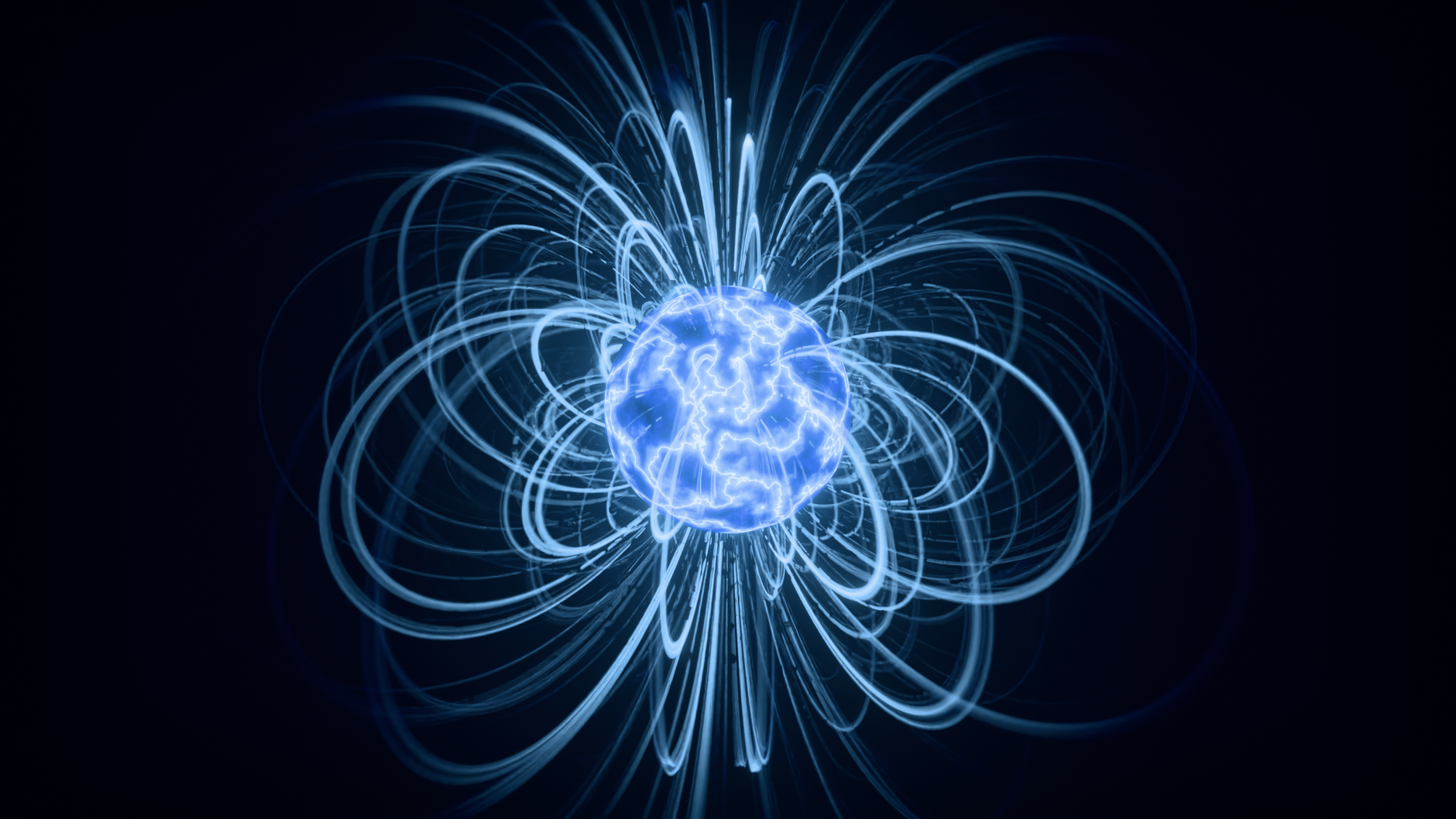
quantum-inspired cores leave a distinct imprint on the ringing of black holes, showcasing their fascinating influence in astrophysics.
Understanding Quantum-Inspired Cores
The study of black holes has been revolutionized by the introduction of quantum-inspired cores, which provide new insights into the complex phenomena surrounding these enigmatic cosmic entities. Researchers have recently identified three distinct quantum-inspired cores that exhibit unique characteristics, leaving behind opposite fingerprints on the gravitational waves produced during black hole mergers.
These cores, which draw inspiration from quantum mechanics, help scientists understand how the properties of a black hole can influence the way it rings, or vibrates, after a collision. The ringing patterns are crucial for astrophysicists as they contain information about the mass, spin, and other fundamental properties of the black holes involved.
Moreover, the findings suggest that the differences in these quantum-inspired cores can lead to varying outcomes in the gravitational waves detected on Earth. This variability enhances our understanding of the underlying physics at play and opens new avenues for research in the field.
In summary, the exploration of quantum-inspired cores not only sheds light on the behavior of black holes but also bridges the gap between quantum mechanics and astrophysics, paving the way for further discoveries in the universe.
The Science Behind Black Holes
The phenomenon of black holes has captivated scientists for decades, and recent studies have introduced the concept of quantum-inspired cores in understanding their complex behaviors. These cores offer insights into the intricate mechanics of black hole rings, which are the ripples produced when black holes collide and merge.
When a black hole forms, it creates a region of spacetime that is profoundly affected by its gravitational pull. As two black holes spiral towards each other, they generate gravitational waves, leading to a phenomenon known as black hole ringing. The characteristics of these rings can reveal vital information about the properties of the black holes involved.
Research has shown that the attributes of black hole rings can be influenced by various factors, including:
- Mass: The larger the black hole, the more pronounced the ringing effect.
- Spin: The rotational speed of a black hole impacts its gravitational waves.
- Charge: Although rare, charged black holes exhibit distinct ringing patterns.
By examining these aspects, scientists can utilize quantum-inspired cores to gain deeper insights into the fundamental nature of black holes and the universe itself.
Ringing Phenomena Explained
The phenomena of black hole rings, often referred to as gravitational waves, have drawn significant attention in the realm of astrophysics. Recent studies have revealed that three distinct quantum-inspired cores leave opposite fingerprints on the ringing of black holes. These fingerprints offer crucial insights into the characteristics and behaviors of black holes.
When a black hole merges with another, the resulting vibrations can be likened to the sound produced by a struck bell. This ringing phenomenon provides scientists with valuable data regarding the black hole’s mass, spin, and charge. Researchers emphasize that quantum-inspired cores play a pivotal role in interpreting these complex signals.
Key aspects of the ringing phenomena include:
- Frequency Modulation: Variations in frequency can indicate the presence of different core structures.
- Amplitude Patterns: The strength of the waves reveals the energy involved in the merger process.
- Phase Shifts: Discrepancies in timing can be traced back to the unique properties of the quantum-inspired cores.
Through these observations, the relationship between quantum-inspired cores and black hole dynamics is becoming increasingly clear, paving the way for future research in this fascinating field.
Implications for Future Research
The investigation into quantum-inspired cores has profound implications for future research in astrophysics and quantum mechanics. As scientists strive to unravel the complexities surrounding black holes, understanding the distinct fingerprints left by these cores could lead to groundbreaking discoveries.
Future studies should focus on the following areas:
- Enhanced Detection Techniques: Developing advanced methodologies to observe the effects of quantum-inspired cores on gravitational waves could refine our understanding of black hole dynamics.
- Interdisciplinary Collaboration: Engaging experts in both quantum physics and astrophysics will foster innovative approaches to exploring the quantum-inspired cores and their implications.
- Theoretical Frameworks: Formulating new theoretical models that incorporate the effects of these cores may help clarify the nature of black hole rings and their interactions with surrounding matter.
- Experimental Validation: Conducting experiments that simulate conditions near black holes could provide empirical data to support or challenge current theories.
Ultimately, the insights gained from studying quantum-inspired cores will not only deepen our understanding of black hole behavior but also pave the way for novel applications in quantum technology.
Comparative Analysis of Cores
The comparative analysis of quantum-inspired cores reveals significant differences in how they influence the acoustics of black hole rings. Researchers have identified three distinct cores that leave unique patterns in the ringing phenomena observed in these cosmic giants.
Each quantum-inspired core contributes differently to the vibration and resonance of black holes, leading to varied outcomes in their oscillatory behavior. The findings can be summarized as follows:
- Core A: Exhibits a high-frequency ringing pattern, suggesting a rapid oscillation of spacetime around the black hole.
- Core B: Demonstrates a lower frequency, which may indicate a more stable environment, potentially impacting the formation of matter around the black hole.
- Core C: Shows irregular fluctuations, highlighting an unstable configuration that could lead to significant astrophysical events.
These variations not only enhance our understanding of quantum-inspired cores but also provide valuable insights into the nature of black holes themselves. The implications of these findings extend to future research, encouraging deeper exploration into the fabric of spacetime and the universe’s most enigmatic entities.
Key Findings and Discoveries
Recent research has unveiled several key findings regarding the connection between quantum-inspired cores and the behavior of black holes. These discoveries highlight the profound impact that different core configurations can have on the dynamic properties of black hole rings.
- Distinct Fingerprints: Three quantum-inspired cores were identified, each leaving unique signatures on the ringing phenomena observed in black holes.
- Behavioral Patterns: The study revealed that the cores influence the frequency and amplitude of the gravitational waves emitted during a black hole merger, leading to distinct ringing patterns.
- Core Influence: Variations in the quantum-inspired cores correlate with differences in the stability and longevity of the rings formed around black holes.
- Cross-Disciplinary Insights: The findings bridge the gap between quantum physics and astrophysics, providing a new framework for understanding complex astronomical phenomena.
These insights not only enhance our understanding of black hole behavior but also pave the way for future research into the properties of quantum-inspired cores. The implications of this study are vast, potentially reshaping our approach to gravitational wave astronomy and black hole mechanics.
Photo by Nicola Narracci on Pexels