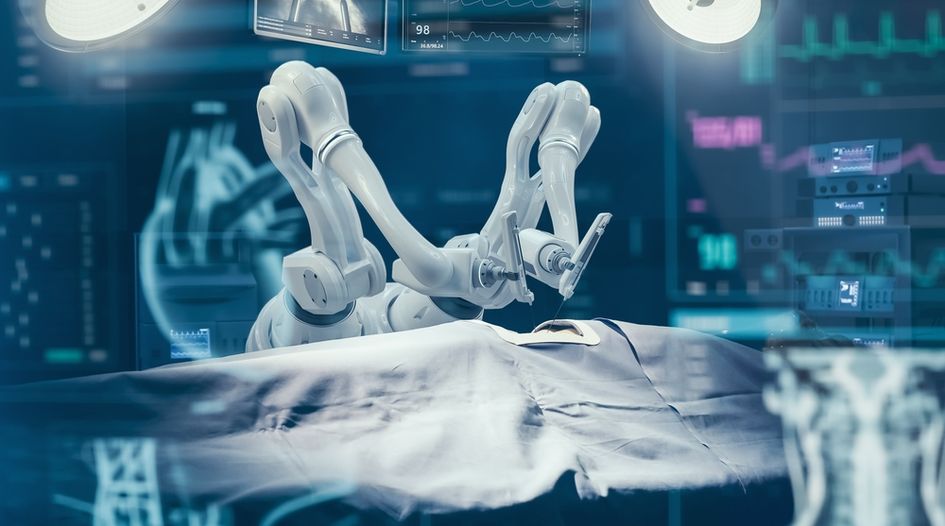
The evolution of spinal treatment is being driven by advances in visualization, surgical precision, patient selection, and individualized recovery planning. Interest in endoscopic spine surgery fl continues to grow as patients become more familiar with modern approaches to treating selected spinal conditions. Endoscopic Spine FL is focused on contemporary spine care, combining specialized techniques with a patient-centered approach designed around each individual’s clinical needs.
What’s Covered
- Endoscopic Visualization Is Reshaping Surgical Precision
- Smaller Access Points Reflect a Modern Surgical Philosophy
- Patient Selection Remains Central to Successful Treatment
- Diagnostic Imaging Supports Comprehensive Planning
- Recovery Planning Is Becoming More Personalized
- Technology Is Supporting More Patient-Centered Care
- The Future of Endoscopic Spine Treatment
- A More Focused Approach to Spinal Health
- Conclusion
Endoscopic Visualization Is Reshaping Surgical Precision
A defining feature of endoscopic spine procedures is the use of specialized visualization technology. A small camera can provide a magnified view of the targeted surgical area, allowing the surgeon to work with a detailed view of relevant spinal structures.
This technology represents a significant development in spine surgery because it supports a focused approach rather than requiring a broad surgical exposure. For appropriately selected conditions, this can help surgeons address the specific source of a patient’s spinal problem.
Smaller Access Points Reflect a Modern Surgical Philosophy
Minimally invasive treatment continues to influence the direction of spine surgery. Endoscopic procedures typically use a small access pathway to reach the treatment area, reflecting an effort to limit disruption to surrounding tissues.
The importance of this approach goes beyond the size of the incision. Modern spine care increasingly emphasizes performing only what is clinically necessary while maintaining precise access to the targeted area.
Patient Selection Remains Central to Successful Treatment
Advanced technology is most valuable when used for the right patient and the right condition. A detailed clinical evaluation helps determine whether an endoscopic procedure is appropriate.
Factors such as symptoms, imaging findings, spinal anatomy, medical history, and previous treatments can all contribute to treatment planning. This individualized assessment helps ensure that technology serves the patient’s needs rather than becoming a one-size-fits-all solution.
Diagnostic Imaging Supports Comprehensive Planning
Modern spine surgery begins well before the procedure itself. High-quality diagnostic imaging can provide important information about discs, nerves, vertebrae, and other structures.
When imaging is considered alongside symptoms and physical examination findings, specialists can develop a more complete understanding of the patient’s condition. This comprehensive process supports thoughtful surgical planning and more focused treatment decisions.
Recovery Planning Is Becoming More Personalized
Another major trend in spine care is the growing attention given to recovery. Patients want to understand how treatment fits into their daily routines, employment, exercise, and long-term goals.
Recovery plans can be tailored according to the procedure and the individual. Appropriate guidance regarding movement, activity progression, rehabilitation, and follow-up care can help patients navigate their recovery with greater confidence.
Technology Is Supporting More Patient-Centered Care
Modern spine technology is not limited to surgical instruments. It is part of a broader shift toward better-informed and more personalized healthcare. Patients increasingly want clear explanations of their condition and an understanding of why a particular treatment is being considered.
Endoscopic Spine FL places patient education alongside modern treatment principles, helping individuals understand their options and participate actively in their care decisions.
The Future of Endoscopic Spine Treatment
The continued development of smaller instruments, improved visualization, advanced imaging, and refined surgical techniques is likely to expand the possibilities of minimally invasive spine care. These advances may allow appropriately selected patients to receive increasingly targeted treatment.
The future will also depend on combining technology with clinical expertise. Sophisticated equipment is most effective when supported by careful diagnosis, appropriate patient selection, and individualized treatment planning.
A More Focused Approach to Spinal Health
The modern philosophy of spine care is moving toward precision rather than unnecessary intervention. Endoscopic techniques represent one part of this broader evolution, offering selected patients a specialized approach that focuses directly on the affected spinal area.
For patients considering treatment, understanding the available options and receiving a comprehensive professional evaluation are important steps toward selecting an appropriate care pathway.
Conclusion
Endoscopic spine surgery reflects the continuing transformation of modern spinal care through advanced visualization, targeted access, personalized treatment planning, and recovery-focused strategies. As technology develops, the emphasis remains on matching the right technique to the right patient and condition. Endoscopic Spine FL continues to embrace this modern approach, providing specialized spine care with a focus on precision, individualized planning, patient education, and positive treatment experiences.
The Short Version
- Advances in visualization, surgical precision, patient selection, and individualized recovery planning are driving the evolution of spinal treatment.
- Endoscopic spine surgery utilizes specialized visualization technology, allowing surgeons to achieve a detailed view of relevant spinal structures with minimal disruption.
- Minimally invasive treatment philosophies are reflected in endoscopic procedures, which prioritize limited tissue disruption through small access pathways.
- A comprehensive clinical evaluation, including symptoms and imaging findings, is crucial for determining the appropriateness of endoscopic procedures for patients.
- Modern spine surgery emphasizes personalized recovery plans that align with patients’ daily lives and long-term goals.
- The future of endoscopic spine treatment relies on continued technological advancements combined with careful diagnosis and individualized treatment planning.