


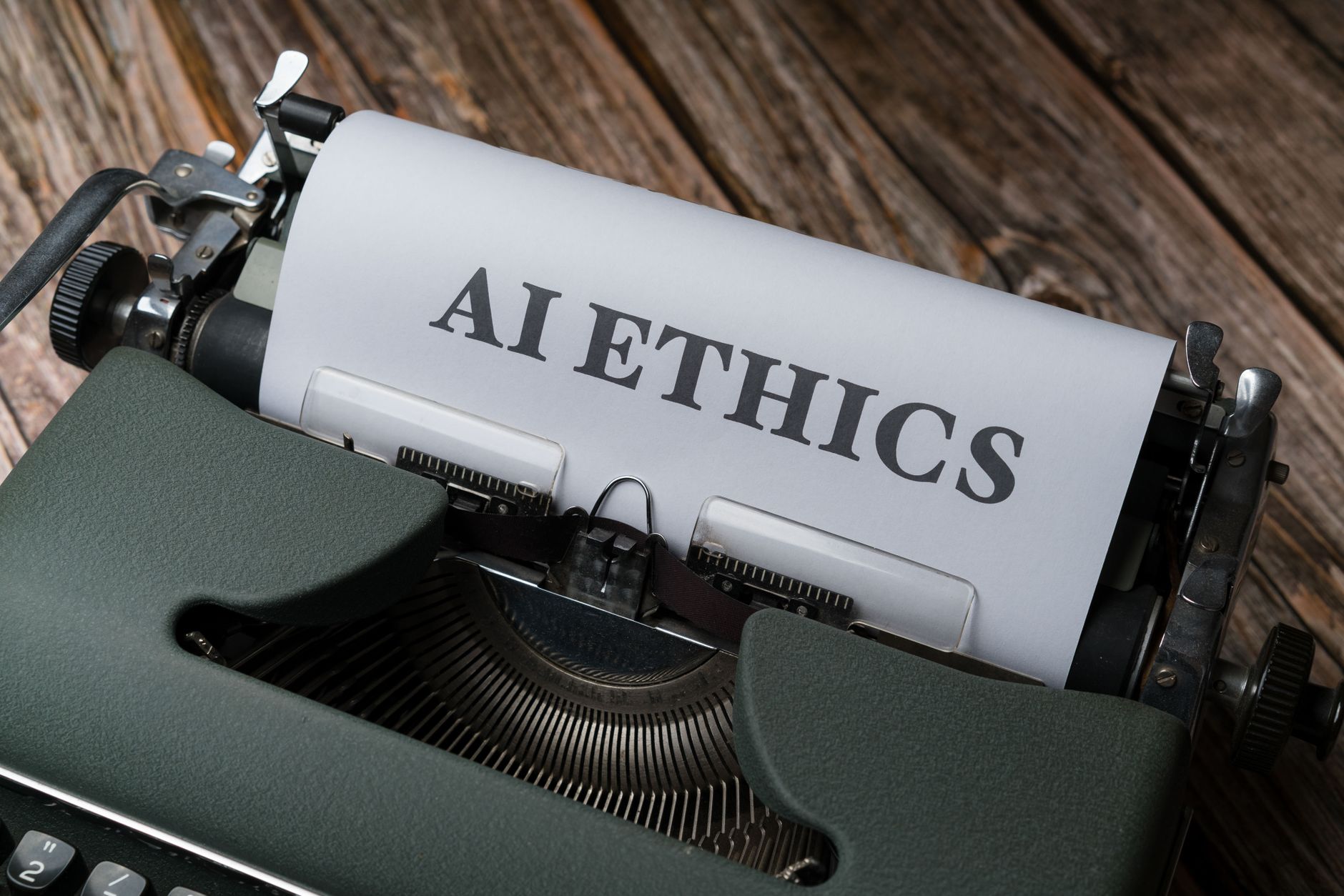
AI regulation challenges are becoming a hot topic in the tech industry. Microsoft Chairman highlights how even simple products face stricter oversight than artificial intelligence.
Understanding AI Regulation
The rapid advancement of artificial intelligence has outpaced regulatory frameworks, leading to significant AI regulation challenges. As highlighted by the Microsoft Chairman, even a carton of fresh milk faces more stringent oversight than many AI systems currently in use. This disparity raises critical questions about the effectiveness of existing regulations and the potential risks posed by unregulated AI technologies.
Regulatory bodies around the globe are grappling with the complexities of AI, striving to find a balance between fostering innovation and ensuring public safety. Some of the key challenges include:
- Defining AI: The lack of a universally accepted definition complicates the creation of cohesive regulations.
- Global Coordination: Different countries have varying approaches to AI oversight, leading to inconsistencies and gaps.
- Ethical Concerns: Addressing biases and ensuring fairness in AI algorithms remains a significant hurdle.
As technology evolves, so must the frameworks that govern it, necessitating urgent discussions on how to effectively regulate AI.
The Impact of Regulation on Innovation
The debate surrounding AI regulation challenges is intensifying, with industry leaders voicing concerns about the potential stifling of innovation. As regulations become more stringent, companies may hesitate to invest in cutting-edge technologies, fearing compliance costs and legal complexities.
According to experts, the impact of regulation on innovation can be profound. Key considerations include:
- Compliance Burdens: Companies might divert resources to meet regulatory demands rather than focusing on research and development.
- Market Entry Barriers: New startups may struggle to navigate complex regulatory frameworks, limiting competition and slowing down technological advancement.
- Global Disparities: Different regulatory environments across countries can lead to uneven innovation landscapes, where firms in less regulated regions may outpace their counterparts.
As the Microsoft Chairman highlighted, even mundane products face more oversight than AI. This raises questions about how we balance the need for safety with the imperative for innovation in an ever-evolving digital landscape.
Microsoft’s View on AI Oversight
Microsoft’s Chairman has voiced concerns regarding the current state of AI regulation, suggesting that the complexities and rapid advancements in artificial intelligence are not being matched by adequate oversight. He emphasized that even a carton of fresh milk faces stricter regulations than many AI applications. This comparison highlights the challenges of establishing a regulatory framework that keeps pace with technological progress.
The Chairman pointed out several key issues with existing AI regulation:
- Lack of Clarity: Current laws are often vague and fail to address the unique aspects of AI technologies.
- Inflexibility: Regulations may hinder innovation by imposing rigid requirements that do not adapt to the fast-evolving nature of AI.
- Global Disparities: Different countries are adopting varied regulatory approaches, creating challenges for multinational companies.
In conclusion, Microsoft’s perspective underscores the urgent need to rethink regulatory frameworks to effectively address the challenges posed by AI regulation while fostering innovation.
Comparing AI and Milk Regulation
In an unexpected comparison, Microsoft Chairman has highlighted the disparity in regulatory scrutiny between artificial intelligence and even commonplace products like milk. While milk is subject to rigorous safety standards and regular inspections, the same level of oversight does not apply to AI technologies.
This raises significant questions about the effectiveness of current AI regulation. The challenges of regulating AI stem from its rapidly evolving nature, which makes it difficult to implement consistent guidelines. Unlike the well-established standards for food safety, AI is often unregulated, leading to concerns about accountability and ethical use.
Key differences between the regulation of milk and AI include:
- Established Standards: Milk has a long history of regulatory frameworks, while AI is still developing.
- Risk Assessment: The potential risks associated with AI can be harder to quantify.
- Innovation Impact: Striking a balance between regulation and innovation remains a challenge for AI regulation.
As discussions continue, the real cost of oversight becomes increasingly apparent.
Challenges for AI Businesses
The landscape of AI regulation presents numerous challenges for businesses operating in this rapidly evolving field. As companies strive to innovate, they often find themselves navigating a complex web of legal and ethical considerations that vary by region.
One major challenge is the constantly shifting regulatory framework. Businesses must stay informed about new legislation, which can differ significantly across jurisdictions. This inconsistency can lead to:
- Increased Compliance Costs: Organizations may need to invest heavily in legal resources to ensure adherence to varying regulations.
- Market Uncertainty: Ambiguous guidelines can deter investment and lead to hesitation in launching new AI products.
- Innovation Stifling: Over-regulation can hinder the ability to experiment with new technologies, ultimately slowing down progress.
As highlighted by industry leaders, the challenges of AI regulation are significant and may impact the future of technological advancement. Balancing oversight with the need for innovation remains a crucial issue for AI businesses.
Future of AI Regulation
The future of AI regulation remains uncertain as stakeholders grapple with the challenges associated with oversight. As AI technologies evolve rapidly, lawmakers and regulatory bodies face significant hurdles in creating effective frameworks that ensure safety without stifling innovation.
One major concern is the pace at which AI is advancing, often outstripping the ability of regulators to keep up. This discrepancy can lead to ineffective regulations that fail to address the unique challenges posed by AI, such as ethical considerations and data privacy issues.
Moreover, the global nature of AI development complicates regulatory efforts, as different countries may adopt varying standards and practices. This inconsistency can create confusion for businesses operating internationally, further exacerbating the challenges of AI regulation.
Industry leaders argue that an overly burdensome regulatory environment may deter investment and slow the pace of innovation. Achieving a balance between safeguarding the public interest and promoting technological advancement will be crucial in navigating the complex landscape of AI regulation challenges.
Conclusion: Finding Balance in Oversight
As the debate surrounding AI regulation challenges continues, it becomes increasingly clear that striking a balance between oversight and innovation is essential. The rapid advancement of artificial intelligence technologies presents unique difficulties that traditional regulatory frameworks may not adequately address.
While regulation is necessary to ensure safety and ethical standards, overly burdensome rules could stifle creativity and hinder progress within the AI sector. The comparison to the regulation of everyday products, such as milk, highlights the discrepancies in oversight that currently exist.
To navigate these challenges, stakeholders must engage in open dialogues that involve technologists, regulators, and the public. Only through collaborative efforts can a nuanced understanding of the implications of AI be achieved.
Ultimately, finding a middle ground that promotes responsible innovation while safeguarding societal interests will be crucial. As we advance into an era where AI dramatically shapes our lives, effective regulation must evolve to meet the complexities of this technology without limiting its potential.
As policymakers grapple with the AI regulation challenges, the potential for stifling innovation becomes a major concern. Balancing safety with progress is crucial to address the AI regulation challenges facing governments worldwide.
Photo by Markus Winkler on Pexels





One response to “AI Regulation Challenges: The Real Cost of Oversight”
[…] AI Regulation Challenges: The Real Cost of Oversight […]