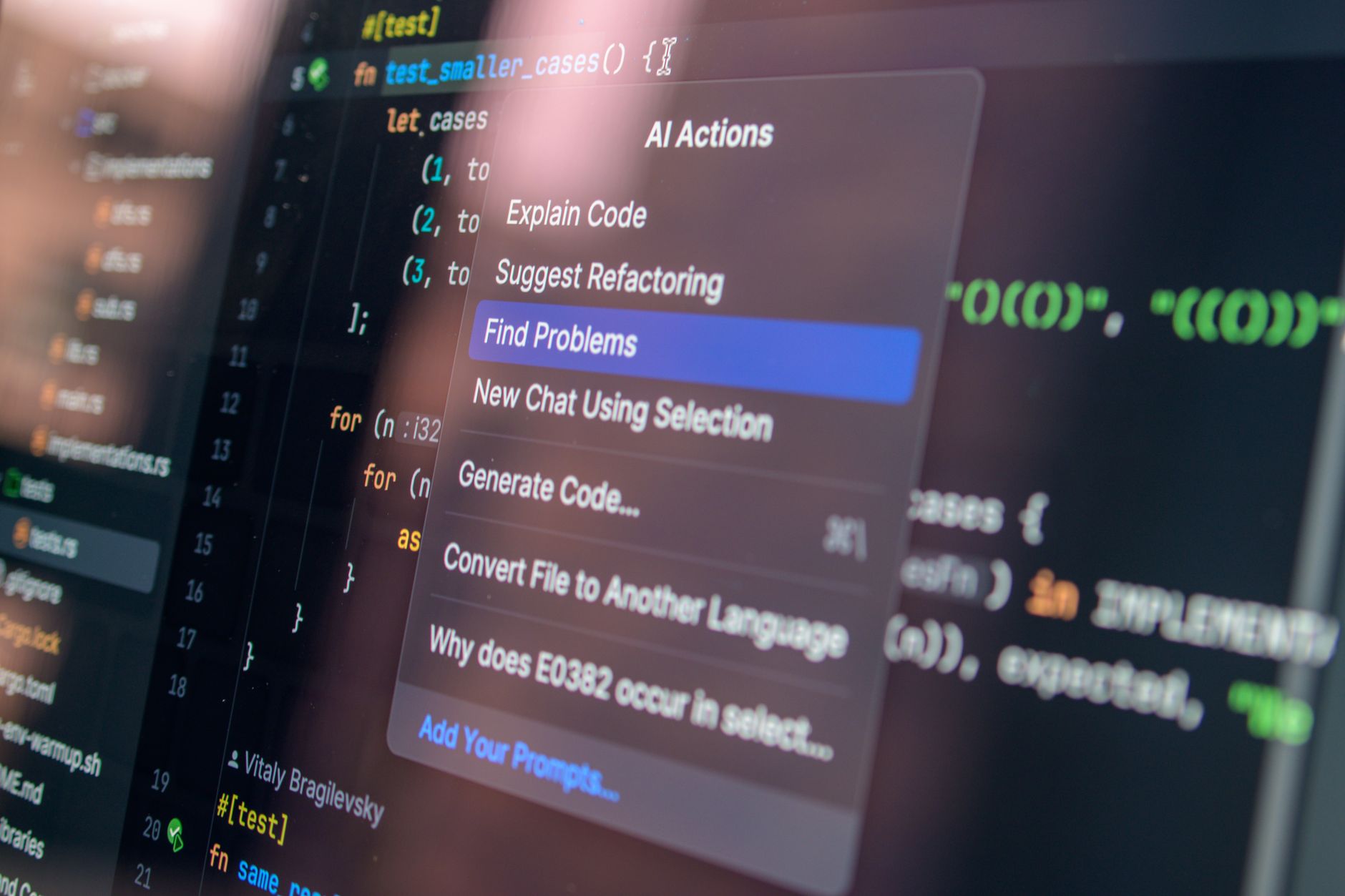
The open-source AI model is designed specifically for Indonesian languages, aiming to improve accessibility and usability in various applications.
What is the Open-source AI Model?
The open-source AI model is a significant advancement in the field of natural language processing, particularly tailored for Indonesian languages. Developed by GoTo, this innovative tool aims to enhance language accessibility and facilitate communication across diverse linguistic backgrounds in Indonesia.
This model leverages vast datasets to train algorithms that can understand, generate, and translate Indonesian language text with remarkable accuracy. By being open-source, it allows developers, researchers, and businesses to utilize and modify the code according to their specific needs, fostering collaboration and innovation in AI technology.
Key features of the open-source AI model include:
- Language Diversity: The model supports various dialects and regional languages, ensuring inclusivity.
- User-Friendly Interface: A streamlined interface makes it accessible for users with varying levels of technical expertise.
- Continuous Improvement: Community contributions can enhance the model’s capabilities over time, driven by real-world applications and needs.
- Cost-Effective Solutions: As an open-source tool, it reduces the financial barriers for startups and developers looking to implement AI solutions.
Overall, the open-source AI model represents a pivotal shift toward empowering local developers and enhancing digital communication in Indonesia, promising to transform how users interact with technology in their native languages.
Benefits of Open-source AI Models
The introduction of open-source AI models has brought a myriad of benefits, particularly for underrepresented languages such as those spoken in Indonesia. This revolutionary approach not only enhances accessibility but also fosters collaboration among developers and researchers.
One of the primary advantages of open-source AI models is their ability to be customized and improved upon by anyone in the community. This collaborative effort leads to:
- Rapid Innovation: Continuous contributions from a diverse group of developers can significantly accelerate the pace of advancements in AI technology.
- Cost-Effectiveness: Organizations can leverage these models without incurring high licensing fees, making it easier for startups and educational institutions to access powerful tools.
- Enhanced Localization: Open-source AI models can be fine-tuned to better understand and generate content in regional dialects, improving communication effectiveness.
Furthermore, the transparency of open-source AI models allows for greater scrutiny and ethical considerations in their development. Developers can identify and rectify biases, ensuring that the models serve all users fairly.
As companies like GoTo release open-source AI models tailored for Indonesian languages, the potential for growth and innovation in this sector continues to expand, ultimately benefiting the entire linguistic community.
How GoTo Developed This Model
GoTo, a prominent technology company in Indonesia, has made significant strides in the realm of artificial intelligence by developing an innovative open-source AI model tailored specifically for Indonesian languages. This initiative was born out of a need to address the unique linguistic challenges faced by the diverse population of Indonesia, which boasts over 700 languages.
The development process of this model involved extensive collaboration between linguists, AI researchers, and software engineers. GoTo’s team focused on gathering a rich dataset that included various dialects and regional expressions to ensure the model could understand and generate text accurately across different contexts. By leveraging the power of community contributions, they enhanced the model’s capabilities and ensured it was robust and versatile.
Moreover, GoTo emphasized accessibility and transparency by making the open-source AI model publicly available. This decision allows developers and researchers from around the world to contribute to its improvement and adapt it for various applications, from business analytics to educational tools. The open-source approach fosters innovation and engagement within the tech community, encouraging the development of applications that cater specifically to Indonesia’s diverse linguistic landscape.
As a result, GoTo’s open-source AI model not only serves as a powerful tool for language processing but also represents a significant step towards enhancing communication and understanding in one of Southeast Asia’s most linguistically rich environments.
Applications for Indonesian Languages
The release of the open-source AI model by GoTo has opened up numerous applications for Indonesian languages, offering significant advancements in various sectors. This model is particularly designed to cater to the linguistic nuances and cultural context of Indonesia, making it a powerful tool for developers and businesses alike.
Some of the prominent applications include:
- Natural Language Processing (NLP): The model can be utilized to improve chatbots and virtual assistants, enhancing their ability to understand and respond in Indonesian languages effectively.
- Content Creation: Writers and marketers can leverage the AI model to generate high-quality content tailored specifically for the Indonesian audience, improving engagement and relevance.
- Translation Services: With its advanced capabilities, the model can facilitate accurate translations, bridging communication gaps between Indonesian speakers and other languages.
- Education Technologies: The open-source AI model can enhance learning platforms by providing personalized learning experiences in local languages, making education more accessible.
- Sentiment Analysis: Businesses can analyze customer feedback and social media interactions to gauge public sentiment, enabling them to make informed decisions.
These applications highlight the versatility of the open-source AI model, demonstrating its potential to transform how Indonesian languages are integrated into technology and daily life.
Community Contributions to the Model
The development of the open-source AI model has significantly benefitted from the active participation of the community. Contributions from various stakeholders have played a crucial role in refining and expanding the model’s capabilities, making it more robust and effective for Indonesian languages.
One of the key aspects of community involvement is the collaboration between researchers, developers, and linguists. This diverse group brings together a wealth of knowledge and expertise, ensuring that the model is not only technically sound but also linguistically accurate. Their contributions include:
- Data collection: Community members have gathered vast amounts of linguistic data, which are essential for training the AI model effectively.
- Code development: Developers have actively engaged in coding, optimizing algorithms, and enhancing the model’s performance.
- Feedback and testing: Continuous feedback from users enables the model to evolve based on real-world applications and user experiences.
- Documentation and tutorials: To facilitate broader usage, community contributors have created comprehensive documentation and tutorials, making it easier for newcomers to adopt the open-source AI model.
This collaborative approach not only strengthens the model itself but also fosters a sense of ownership and pride among the contributors, ensuring that the open-source AI model remains a valuable resource for enhancing communication and accessibility in Indonesian languages.
Future of AI in Indonesia
The future of AI in Indonesia appears promising, particularly with the emergence of open-source AI models tailored to the country’s diverse linguistic landscape. As these models continue to evolve, they are poised to significantly enhance communication and accessibility for millions of Indonesians. With a rich tapestry of over 700 languages spoken across the archipelago, leveraging open-source AI technology can bridge language gaps and foster greater inclusivity.
One of the most exciting prospects involves collaboration between tech companies, universities, and local communities. By pooling resources and expertise, stakeholders can refine these open-source AI models, ensuring they are not only effective but also culturally relevant. Such collaborations can lead to innovative applications, from translation services to educational tools designed to preserve and promote regional languages.
Moreover, the integration of open-source AI models into everyday applications can drive economic growth, as businesses may adopt these technologies to better serve their customers. This increased accessibility can empower local entrepreneurs and facilitate the emergence of new startups focused on language-based solutions.
As Indonesia continues to embrace technological advancements, the vision for open-source AI models as essential tools for communication and understanding is clear. The ongoing development and refinement of these models will play a vital role in shaping the future of AI in Indonesia, paving the way for a more connected and linguistically diverse society.
Conclusion: Embracing Open-source Technology
In conclusion, the launch of the open-source AI model represents a significant milestone for the advancement of technology in Indonesia. By prioritizing the development of resources tailored specifically for Indonesian languages, this initiative not only enhances accessibility but also promotes inclusivity in the digital landscape.
The open-source approach allows developers, researchers, and organizations to collaborate and innovate, fostering a thriving community that can build upon the existing framework. This collaborative spirit is vital for ensuring that the model continuously evolves to meet the needs of its users. As more individuals contribute their expertise, the potential for breakthroughs in language processing and understanding increases exponentially.
Moreover, the benefits of adopting open-source technology are manifold. Organizations can leverage the model without incurring substantial costs, driving innovation and experimentation across various sectors. This encourages the creation of new applications that can serve diverse communities, thereby promoting linguistic preservation and cultural expression.
As Indonesia continues to embrace digital transformation, the open-source AI model will play a crucial role in shaping the future of artificial intelligence in the region. By investing in such technologies, Indonesia stands to gain a competitive edge in the global landscape, ensuring that its languages and cultures are represented and celebrated in the digital age.
Ultimately, embracing open-source technology heralds a new era of opportunity for Indonesia, where language barriers are diminished, and innovation knows no bounds.
Photo by Daniil Komov on Pexels
References
Tech in Asia · Open source model
You might also like
How Businesses Improve Visibility With Better Content Planning · Creative platforms for Australian players seeking rewards with vegas-stars-australia.net offer unique opportunities · Récentes découvertes autour de rodeoslot pour des gains exceptionnels aux enchères en ligne