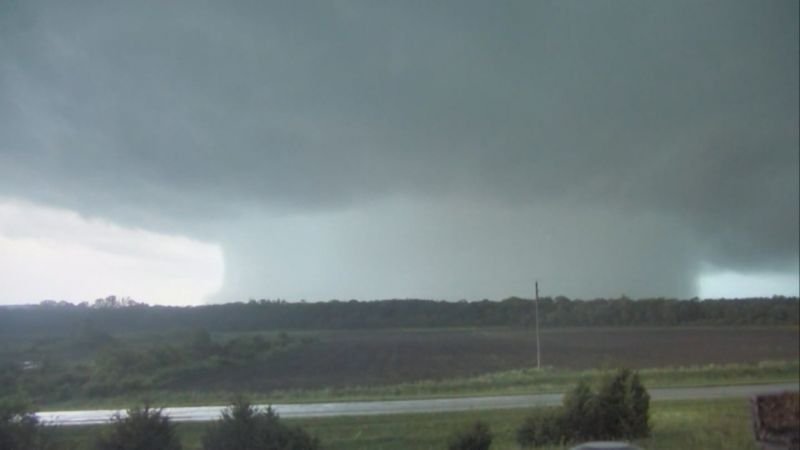
A rain-wrapped tornado is a dangerous meteorological phenomenon that poses a unique challenge for storm chasers and forecasters alike. Unlike traditional tornadoes, which are easily spotted against a clear sky, these twisters are hidden by heavy rain and can strike unexpectedly. The term ‘rain-wrapped tornado’ refers to a tornado that is obscured by rainfall, making it difficult to see until it is dangerously close. In this article, we will delve into the characteristics, risks, and detection of these elusive and potentially deadly storms.

Unraveling the Mystery: What is a Rain-Wrapped Tornado?
Welcome, young minds, to an exciting journey into the world of weather phenomena! Today, we are going to dive into the fascinating realm of rain-wrapped tornadoes. So, grab your rain boots and let’s explore what makes these swirling wonders so unique and sometimes dangerous.
The Basics: Understanding Tornadoes
Before we delve into the mysterious realm of rain-wrapped tornadoes, let’s first understand what a tornado is. Imagine a powerful swirling wind tunnel that extends from a thunderstorm to the ground. This is essentially what a tornado is – a rapidly rotating column of air that is in contact with both the surface of the Earth and a cumulonimbus cloud.
Tornadoes are classified based on the Enhanced Fujita (EF) scale, which ranges from EF0 to EF5, with EF5 being the most destructive. These spinning vortices of air can cause significant damage to anything in their path, making them both awe-inspiring and terrifying forces of nature.
Introducing the Rain-Wrapped Tornado
Now that we have a basic understanding of tornadoes, let’s turn our attention to rain-wrapped tornadoes. Imagine a tornado that is shrouded in heavy rain, making it nearly invisible to the naked eye. This is what we refer to as a rain-wrapped tornado – a deceptive and dangerous weather phenomenon that poses unique challenges to meteorologists and storm chasers alike.
Characteristics of a Rain-Wrapped Tornado
One of the key characteristics of a rain-wrapped tornado is its obscured appearance due to the heavy precipitation surrounding it. Unlike traditional tornadoes that are visible against the backdrop of the sky, a rain-wrapped tornado can be incredibly difficult to spot, even for experienced storm chasers.
Another defining trait of rain-wrapped tornadoes is their tendency to be embedded within a squall line or a cluster of severe thunderstorms. This makes them even more challenging to detect and track, as they are often part of a larger complex of atmospheric disturbances.
The Dangers of Rain-Wrapped Tornadoes
While all tornadoes are inherently dangerous, rain-wrapped tornadoes pose an additional threat due to their hidden nature. The heavy rain surrounding these tornadoes can obscure their presence, making it difficult for people in their path to seek shelter in a timely manner.
Furthermore, the presence of rain can make the tornado sound less distinct, as the roar of the wind may be muffled by the sound of the falling precipitation. This can further hinder detection efforts and increase the risk to those in the tornado’s path.
Forecasting and Detection Challenges
Forecasting and detecting rain-wrapped tornadoes present unique challenges to meteorologists and storm chasers. Traditional methods of tornado detection, such as Doppler radar and visual confirmation, may be less effective when dealing with a tornado that is wrapped in rain.
Meteorologists rely on a combination of radar data, satellite imagery, and ground reports to identify the presence of a rain-wrapped tornado. However, the obscured nature of these tornadoes can make timely and accurate warnings more challenging.
Advanced Technologies in Tornado Detection
Advancements in meteorological technology have led to the development of more sophisticated tools for detecting rain-wrapped tornadoes. Dual-polarization radar, for example, can provide meteorologists with detailed information about the size and shape of precipitation particles, helping them to identify the presence of a tornado within a rain shaft.
Additionally, mobile weather radars mounted on storm-chasing vehicles have enabled researchers to get up close and personal with tornadoes, providing valuable data that can improve our understanding of these elusive weather events.
Staying Safe During a Rain-Wrapped Tornado
When faced with the threat of a rain-wrapped tornado, it’s essential to take proactive measures to ensure your safety and the safety of those around you. Here are some tips to keep in mind:
Stay Informed
Stay tuned to local weather alerts and warnings, especially during severe weather outbreaks. Pay attention to weather reports and be prepared to take action if a tornado warning is issued for your area.
Seek Shelter Immediately
If you suspect that a rain-wrapped tornado is approaching, seek shelter in a sturdy building or underground storm shelter. Avoid windows and exterior walls, and cover yourself with blankets or mattresses to protect against flying debris.
Have a Plan
Prepare a tornado safety plan with your family that includes designated shelter areas and an emergency kit with essentials such as water, non-perishable food, and first aid supplies. Practice tornado drills regularly to ensure everyone knows what to do in the event of a tornado.
In conclusion, rain-wrapped tornadoes are a fascinating and potentially dangerous weather phenomenon that can challenge even the most experienced meteorologists. By understanding the unique characteristics of these hidden tornadoes and taking proactive safety measures, we can better protect ourselves and our communities from the impact of these swirling wonders of nature.
Remember, knowledge is power when it comes to severe weather events. Stay informed, stay safe, and always be prepared for whatever Mother Nature may send your way.
What is a Rain-Wrapped Tornado? 🌧️🌪️ | Tornado Extreme 🌀⚡
Frequently Asked Questions
What is a rain-wrapped tornado?
A rain-wrapped tornado is a type of tornado that is obscured by heavy rain, making it difficult to see. This type of tornado poses an increased danger to individuals as it can be hidden within the rain and catch people off guard.
How does a rain-wrapped tornado form?
A rain-wrapped tornado forms in a similar way to a traditional tornado, but it becomes enveloped in heavy rainfall, making it hard to spot visually. This phenomenon occurs when the tornado is embedded within the rain shaft of a severe thunderstorm.
Why are rain-wrapped tornadoes more dangerous?
Rain-wrapped tornadoes are more dangerous because their visibility is severely reduced, making it challenging for people to see them approaching. This lack of visibility increases the risk of individuals being caught off guard and not having enough time to seek shelter or take necessary precautions.
What are the characteristics of a rain-wrapped tornado?
A rain-wrapped tornado is characterized by being shrouded in heavy precipitation, making it hard to see the tornado itself. These tornadoes often have a lower visibility compared to traditional tornadoes, posing a higher threat to individuals in their path.
How can one stay safe during a rain-wrapped tornado?
To stay safe during a rain-wrapped tornado, it is crucial to pay attention to weather alerts and warnings. Seek shelter in a sturdy building or basement, away from windows and exterior walls. Stay tuned to local news and weather updates for information on the tornado’s path and any evacuation orders.
Final Thoughts
A rain-wrapped tornado is a dangerous phenomenon where heavy rainfall obscures the funnel cloud, making it difficult to see. This type of tornado poses a significant threat as it can catch people off guard due to its hidden nature. Understanding the characteristics and behavior of a rain-wrapped tornado is crucial for staying safe during severe weather events. It is essential to take precautionary measures and seek shelter when faced with the potential dangers of a rain-wrapped tornado.