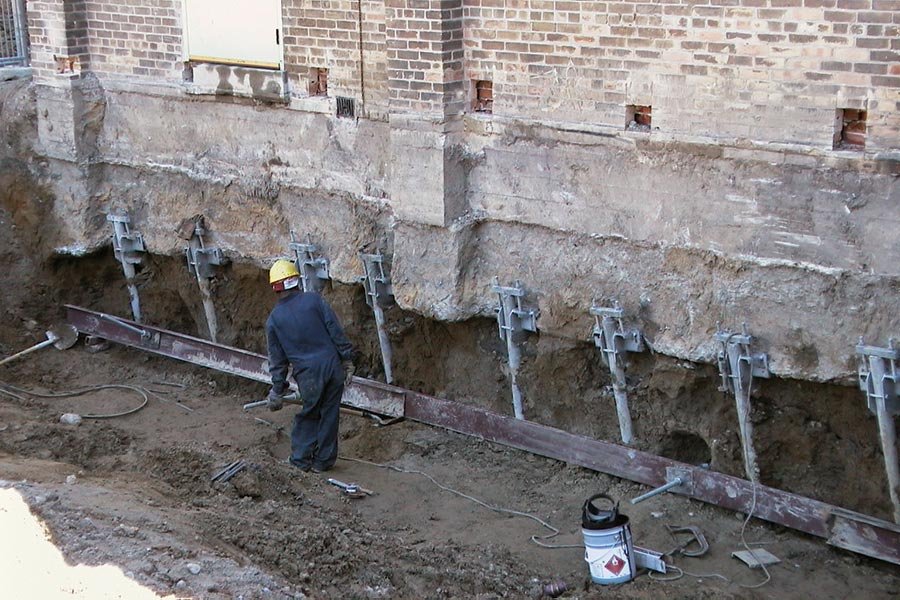
Basement piering, also known as underpinning, is a structural repair method to stabilize foundations. Through basement piering, support is added to a sinking or unstable foundation. This process involves driving steel piers deep into the ground to transfer the weight of the structure and provide additional support. Basement piering is a common solution for addressing foundation settlement issues and preventing further damage to buildings. It is essential for maintaining the structural integrity of a property and ensuring its long-term stability.

What is Basement Piering and How Does It Help Your Home?
Welcome to our comprehensive guide on basement piering! If you’ve ever wondered about those mysterious structures under your home that keep it stable and secure, you’re in the right place. Basement piering is a crucial technique used to strengthen and support the foundation of your house. Let’s dive into the details to understand how basement piering works and why it’s essential for maintaining a safe and sturdy home.
Understanding the Basics of Basement Piering
Basement piering, also known as foundation underpinning, involves installing steel piers or concrete pilings beneath your home’s foundation to provide additional support and stability. These piers are driven deep into the ground until they reach stable soil or bedrock, creating a solid foundation that can bear the weight of your house.
Types of Basement Piering Methods
There are several methods of basement piering commonly used by professionals, each with its unique advantages and applications. Let’s take a look at some of the most popular techniques:
Steel Push Piers:
Steel push piers are a popular choice for basement piering due to their durability and ability to support heavy loads. These piers are hydraulically driven into the ground below the foundation until they reach load-bearing soil. Steel push piers are a reliable solution for stabilizing settling foundations.
Helical Piers:
Helical piers feature helical blades that allow for easy installation by twisting them into the soil. These piers are ideal for supporting lighter structures and can be used in various soil conditions. Helical piers are a cost-effective and efficient option for stabilizing foundations.
Concrete Piers:
Concrete piers involve pouring concrete columns directly beneath the foundation to provide support. These piers are a long-lasting solution for stabilizing foundations and can be tailored to meet specific load requirements. Concrete piers are commonly used in areas with expansive clay soils.
Signs You Need Basement Piering
Now that we’ve covered the basics of basement piering, let’s discuss some common signs that indicate your home may benefit from this foundation repair technique:
1. Foundation Cracks: If you notice cracks in your foundation walls or floors, it could be a sign of foundation settlement that requires basement piering.
2. Uneven Floors: Uneven or sloping floors indicate that your foundation is shifting, which can be addressed with basement piering to stabilize the structure.
3. Doors and Windows Sticking: Difficulty opening or closing doors and windows can be a result of foundation movement, indicating the need for foundation underpinning.
The Basement Piering Process
When you decide to pursue basement piering for your home, the process typically involves several key steps:
1. Foundation Inspection: A professional will assess the condition of your foundation to determine the extent of the damage and the most suitable piering method.
2. Pier Installation: Steel or concrete piers are installed beneath the foundation to provide additional support and stabilize the structure.
3. Load Transfer: The weight of the house is transferred from the unstable foundation to the newly installed piers, ensuring structural integrity.
4. Final Assessment: Once the basement piering process is complete, a final inspection is conducted to ensure the foundation is stable and secure.
Benefits of Basement Piering
Basement piering offers a range of benefits for homeowners looking to maintain a strong and secure foundation:
1. Stability: Basement piering provides additional support to prevent further foundation settlement and structural damage.
2. Longevity: With proper basement piering, your foundation can last for many years without the need for extensive repairs.
3. Property Value: A stable foundation enhances the value of your home and gives potential buyers confidence in its structural integrity.
Basement piering is a crucial technique for ensuring the stability and safety of your home’s foundation. By understanding the basics of basement piering, recognizing signs that indicate the need for this repair method, and appreciating the benefits it offers, you can make informed decisions to protect your property.
Remember, a strong foundation is the key to a sturdy and resilient home. If you suspect foundation issues or want to learn more about basement piering, don’t hesitate to consult with a professional foundation repair expert.
USS – What Is Foundation Piering?
Frequently Asked Questions
What are basement piers used for?
Basement piers are used to stabilize and support a home’s foundation. They are installed to address foundation settling, cracks, or other structural issues in a building’s basement.
How do basement piers work?
Basement piers work by transferring the weight of the building from unstable soil to deeper, more stable soil or bedrock. This helps to prevent further foundation movement and provides added support to the structure.
When should I consider basement piering for my home?
You should consider basement piering if you notice signs of foundation settlement, such as cracks in walls or floors, uneven floors, or sticking doors and windows. Consulting with a professional can help determine if basement piering is necessary.
What are the different types of basement piers available?
There are various types of basement piers, including steel push piers, helical piers, and concrete piers. The type of pier used will depend on the specific foundation issues and soil conditions of the property.
Final Thoughts
Basement piering is a structural repair technique that stabilizes foundations. It involves driving steel piers into the ground to support sinking or settling basements. This process helps prevent further damage and ensures the structural integrity of the building. Overall, basement piering is a cost-effective solution for addressing foundation issues and maintaining a safe living environment.