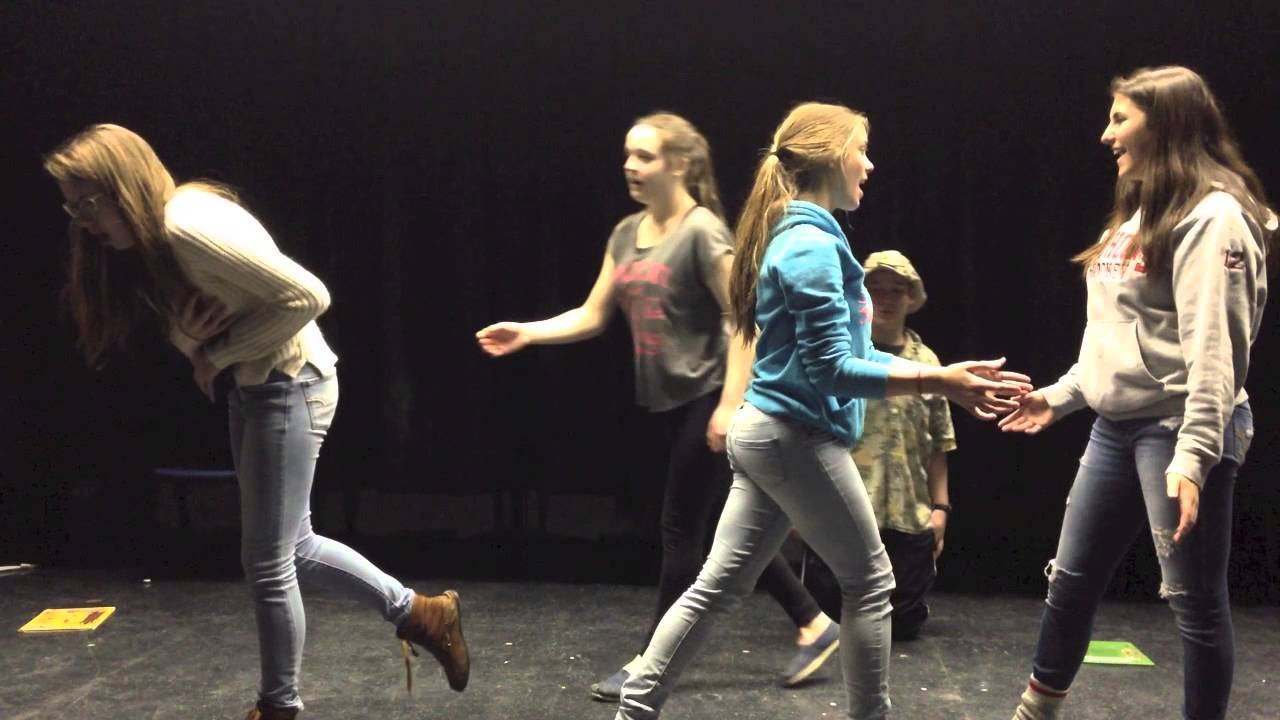
A tableau in drama is a powerful visual technique that freezes actors in a specific position to convey a significant moment. This technique allows the audience to absorb the emotions and narrative without any movement. Tableaus serve as striking snapshots, enhancing the storytelling dynamically on stage. Through deliberate poses and composition, tableaus offer a glimpse into the characters’ inner worlds. Mastering the art of tableaus can elevate the dramatic impact of a performance, leaving a lasting impression on the audience.

What is a Tableau in Drama?
Welcome to our exploration of the fascinating world of drama! In this article, we are going to delve into the concept of tableaus in drama. So, what exactly is a tableau in drama? Let’s find out!
Understanding Tableau
Tableau, pronounced as “tab-loh,” is a French term that translates to “picture” or “living picture.” In the context of drama, a tableau refers to a frozen scene where actors pose in various positions to create a visually striking image that conveys a particular moment, emotion, or theme. Think of it as a snapshot captured on stage that tells a story without any movement or dialogue.
The Purpose of Tableau
Tableaus serve several important purposes in drama. They can be used to emphasize a key moment, highlight a theme, or evoke a specific emotion. By creating a still image on stage, tableaus allow the audience to focus on the visual composition and interpret the scene in their own way. Tableaus can also be used as transitions between scenes or to punctuate the narrative with moments of visual impact.
How Tableaus are Created
Creating a tableau requires careful choreography and collaboration among actors, directors, and designers. Before staging a tableau, the director must have a clear vision of the key elements they want to highlight. Actors then work together to find the right poses and expressions that capture the essence of the scene. Lighting and set design play crucial roles in enhancing the visual impact of the tableau.
Practical Tips for Creating Tableaus
Here are some practical tips for creating compelling tableaus in drama:
- Focus on strong and expressive poses that convey the mood of the scene.
- Pay attention to facial expressions and body language to communicate emotions effectively.
- Use levels and spatial arrangements to create interesting compositions.
- Experiment with lighting to add depth and drama to the tableau.
Types of Tableaus
Tableaus come in various forms and styles, each serving a different purpose in enhancing the dramatic effect of a performance. Some common types of tableaus include:
Symbolic Tableau
A symbolic tableau uses poses and gestures to represent abstract ideas or concepts. This type of tableau is often used to convey emotions or themes that are central to the narrative.
Sequential Tableau
A sequential tableau consists of a series of connected images that tell a story or show the progression of events. Each pose in the sequence builds upon the previous one, creating a dynamic visual narrative.
Emotional Tableau
An emotional tableau focuses on capturing the raw emotions of the characters in a scene. Actors use facial expressions, body language, and gestures to convey the intense feelings experienced by their characters.
The History of Tableau in Drama
Tableaus have a long history in the world of drama, dating back to ancient theatrical traditions. In the 19th and early 20th centuries, tableaus were popular in melodramas and vaudeville performances as a way to create visually stunning moments on stage. Today, tableaus are still used in various forms of theater, including experimental and avant-garde productions.
In conclusion, tableaus are powerful tools in the arsenal of a dramatist, allowing them to create visually striking moments that enhance the storytelling experience. By freezing a scene in time, tableaus invite the audience to immerse themselves in the visual composition and interpret the narrative in a unique way. Whether used to convey emotions, highlight themes, or transition between scenes, tableaus add an extra layer of depth and artistry to any dramatic performance.
We hope this exploration of tableaus in drama has sparked your interest in the world of theater and inspired you to discover more about the magic of storytelling on stage. Thank you for joining us on this journey through the fascinating world of drama!
Drama Game for Kids: Tableaux
Frequently Asked Questions
What is a tableau in drama?
In drama, a tableau refers to a frozen scene where actors are posed in a specific arrangement to visually represent a moment or evoke a certain emotion. It is like a living picture or a snapshot on stage.
How is a tableau used in theatrical productions?
Tableaus are often used to highlight important moments in a play, convey symbolic meanings, or transition between scenes. They can help emphasize key themes, create dramatic impact, and engage the audience visually.
What are the benefits of using tableaus in drama?
Using tableaus in drama can enhance the storytelling by providing visual cues, adding depth to the narrative, and allowing the audience to interpret the scene in a more profound way. Tableaus also offer opportunities for artistic expression and creativity for both actors and directors.
Final Thoughts
In drama, a tableau is a powerful technique where actors freeze in a still position to convey emotion or a significant moment. Tableaus are used to create striking visual images and evoke strong emotions from the audience. By pausing the action on stage, a tableau allows for reflection and can emphasize key themes of the play. Understanding what a tableau in drama is can enhance the overall impact and storytelling of a theatrical performance.