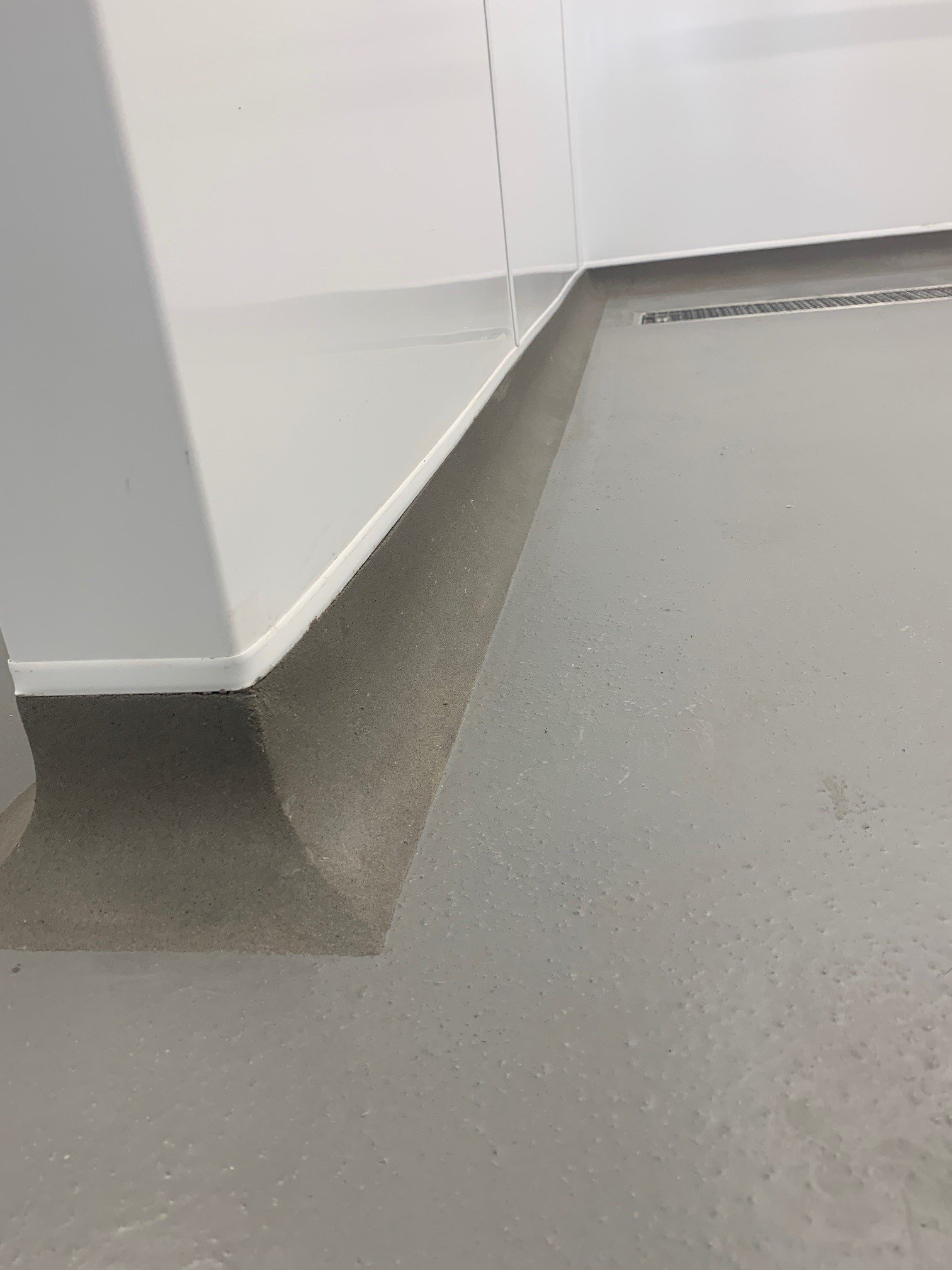
What is coving in food safety? Coving refers to the curved, sealed transition between the wall and floor in food preparation areas. This essential feature helps maintain cleanliness and prevents the buildup of dirt, debris, and bacteria in hard-to-reach corners. By creating a seamless surface, coving contributes significantly to maintaining high hygiene standards in food facilities. Properly installed coving plays a crucial role in ensuring food safety compliance and a sanitary working environment.

What is Coving in Food Safety
Welcome to our comprehensive guide on coving in food safety! In the world of food preparation and handling, coving plays a crucial role in maintaining a safe and hygienic environment. Let’s dive into what coving is, why it is important, and how it contributes to food safety.
The Basics of Coving
Coving, in the context of food safety, refers to the curved, sealed transition between the wall and the floor in a commercial kitchen or food processing facility. This curved surface is designed to eliminate right angles or sharp corners, which are difficult to clean and can harbor bacteria and other contaminants.
By creating a smooth, seamless transition between the wall and floor, coving helps prevent the buildup of dirt, grime, and harmful pathogens, reducing the risk of foodborne illnesses and ensuring a safe environment for food preparation.
Benefits of Coving
There are several key benefits of incorporating coving into food safety practices:
1. Hygiene
Coving promotes better hygiene standards by eliminating hard-to-clean areas where bacteria can proliferate. This helps reduce the risk of cross-contamination and foodborne illnesses, ensuring that the food prepared in the facility is safe for consumption.
2. Easy Maintenance
With coving in place, cleaning and maintaining the kitchen or food processing area becomes more efficient. The smooth, curved surface of coving is easy to wipe down and sanitize, saving time and effort while upholding cleanliness standards.
3. Compliance with Regulations
Many health and safety regulations require the use of coving in commercial kitchens and food production facilities. By implementing coving, businesses can ensure compliance with these standards and avoid fines or penalties for failing to meet hygiene requirements.
Installation of Coving
Installing coving in a food preparation environment involves careful planning and attention to detail. Here are some key steps in the coving installation process:
1. Assessment
Before installation, assess the area to determine the type and amount of coving needed. Consider factors such as the size of the space, the layout of the kitchen, and any specific requirements of food safety regulations.
2. Materials
Choose high-quality coving materials that are durable, waterproof, and easy to clean. PVC, stainless steel, and other non-porous materials are commonly used for coving in food safety applications.
3. Installation
Follow the manufacturer’s instructions for installing coving, ensuring that the curved surface is securely attached to both the wall and the floor. Properly seal the edges to prevent water infiltration and maintain a hygienic environment.
Maintaining Coving
Regular maintenance of coving is essential to ensure its effectiveness in promoting food safety. Here are some tips for maintaining coving in a commercial kitchen or food processing facility:
1. Cleaning
Regularly clean the coving using a mild detergent and warm water. Avoid using harsh chemicals that can damage the coving material or leave behind residue that may contaminate food.
2. Inspections
Periodically inspect the coving for signs of damage, wear, or mold growth. Replace any damaged coving promptly to prevent bacteria buildup and maintain a hygienic environment.
3. Repairs
If the coving becomes loose or damaged, repair it immediately to prevent water infiltration and maintain a seamless transition between the wall and floor. Consult a professional if extensive repairs are needed.
In conclusion, coving plays a vital role in ensuring food safety in commercial kitchens and food processing facilities. By creating a smooth, hygienic transition between the wall and floor, coving helps prevent contamination, promote cleanliness, and comply with health and safety regulations.
Remember to prioritize the installation and maintenance of coving in your food preparation area to uphold the highest standards of hygiene and safety. By incorporating coving into your food safety practices, you can create a healthier environment for both your staff and customers.
Coving: Seamless, Durable, and Hygienic
Frequently Asked Questions
What role does coving play in food safety?
Coving in food safety refers to the curved or rounded edge where the wall meets the floor in a food preparation area. It is designed to prevent dirt, pests, and bacteria from accumulating in hard-to-reach corners, making it easier to clean and maintain a hygienic environment.
How does coving contribute to maintaining cleanliness in a food facility?
Coving helps eliminate sharp corners that may trap food debris or harbor harmful pathogens. By creating a smooth transition between the wall and the floor, coving facilitates thorough cleaning and reduces the risk of contamination, thus promoting food safety and hygiene in the facility.
Why is coving important in food safety regulations?
Coving is an essential feature in food safety regulations as it helps food establishments comply with hygiene standards and practices. Properly installed coving ensures that areas prone to dirt buildup are minimized, making it easier for food handlers to maintain a clean environment and prevent foodborne illnesses.
Final Thoughts
In conclusion, coving in food safety refers to the practice of ensuring a physical barrier between raw and ready-to-eat foods to prevent cross-contamination. This simple technique plays a crucial role in maintaining food hygiene standards and minimizing the risk of foodborne illnesses. By implementing coving in food establishments, businesses can uphold the integrity of their products and protect the health of their customers. Remember, a small step like coving can make a significant difference in ensuring food safety protocols are met consistently.