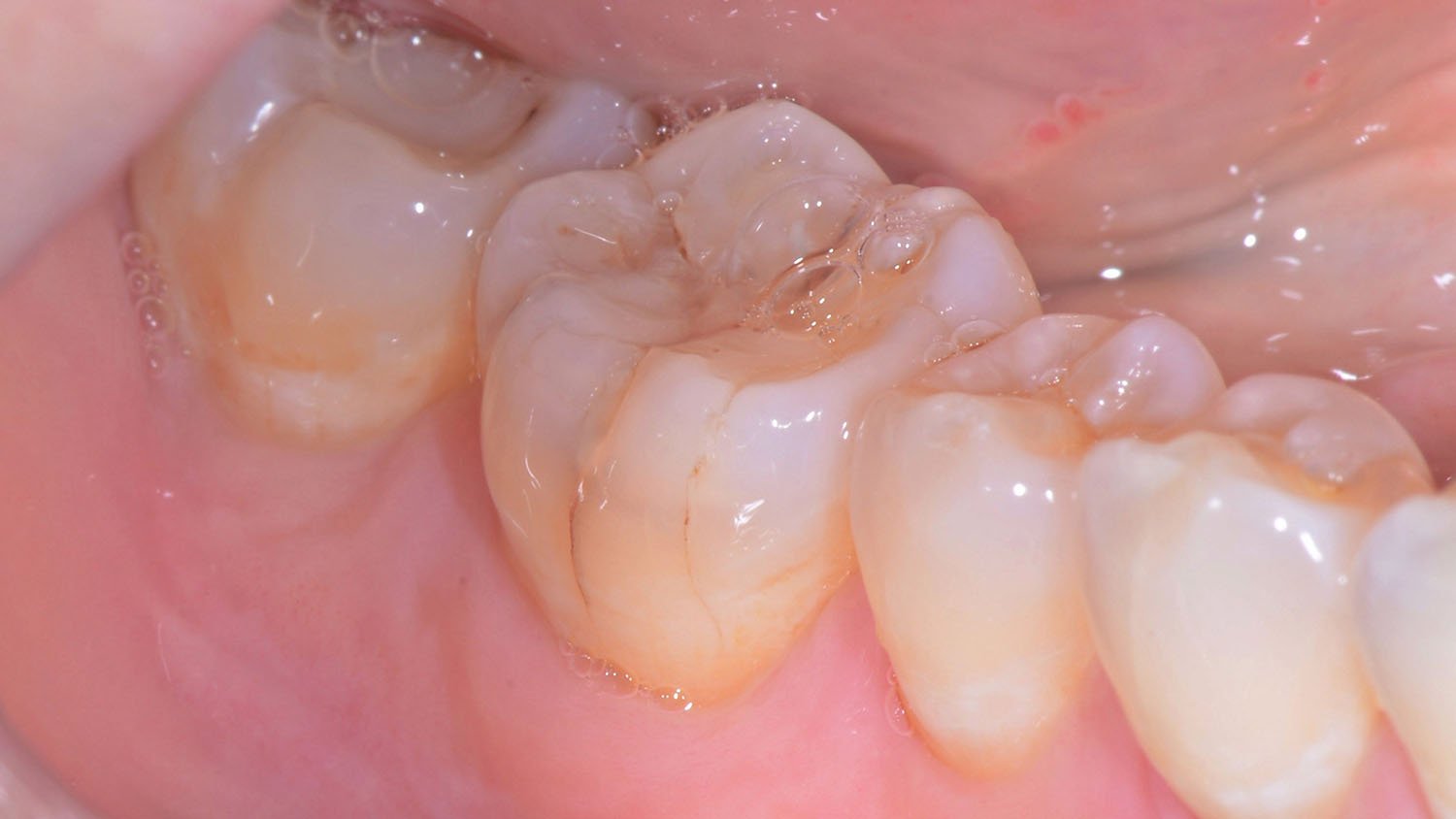
An exposed nerve in a tooth can be a painful and concerning issue. The appearance of an exposed nerve varies but it commonly presents as a red or pink spot on the tooth’s surface. This visible nerve can be sensitive to hot and cold temperatures, causing sharp pain. It is crucial to seek immediate dental attention if you suspect an exposed nerve in your tooth. Ignoring the problem can lead to further discomfort and potentially serious complications. Understanding what does an exposed nerve in a tooth look like can help you identify and address the issue promptly.

What Does an Exposed Nerve in a Tooth Look Like?
Have you ever wondered what happens when a toothache strikes and it feels like a sharp, shooting pain in your mouth? One of the reasons for this discomfort could be an exposed nerve in your tooth. Let’s dive into what an exposed nerve in a tooth looks like and how it can cause such intense pain.
Understanding Tooth Nerves
Before we talk about what an exposed nerve looks like, let’s understand what tooth nerves are. Inside each of your teeth, there’s a soft tissue called dental pulp. This pulp contains blood vessels, connective tissues, and nerves. Nerves are tiny, sensitive structures that send signals to your brain when something is not quite right with your tooth.
Enamel and Dentin Protection
Your teeth are covered by a hard outer layer called enamel. Enamel is like the armor protecting the softer layers of your tooth. Under the enamel, there’s another layer called dentin. Dentin is not as hard as enamel but still offers protection to the inner dental pulp.
When your tooth is healthy, the enamel and dentin shield the dental pulp and nerves from exposure to harmful bacteria and extreme temperatures. However, when the enamel and dentin are compromised, the nerve inside the tooth can become exposed, leading to various issues.
Causes of Exposed Nerve in a Tooth
Several factors can contribute to an exposed nerve in a tooth. One common cause is tooth decay. When you don’t brush and floss regularly, bacteria in your mouth can form plaque, which attacks the enamel and eventually leads to cavities. If cavities are left untreated, they can progress deeper into the tooth, reaching the dental pulp and exposing the nerve.
Another cause of an exposed nerve is physical trauma to the tooth. This can happen due to accidents, falls, or sports injuries. When a tooth gets hit hard, it can crack or chip, creating a pathway for bacteria to reach the nerve.
Poor oral hygiene, grinding your teeth, acidic foods and drinks, and even certain dental procedures can also contribute to nerve exposure in a tooth. Whatever the cause may be, an exposed nerve can be quite painful and requires prompt attention from a dentist.
Signs of an Exposed Nerve
So, how can you tell if you have an exposed nerve in your tooth? The most common sign is intense pain. When the nerve inside your tooth is exposed, it becomes extra sensitive to stimuli like hot or cold temperatures, sweet foods, and even air. You may feel a sharp, shooting pain that lingers or worsens over time.
Other signs of an exposed nerve include:
- Tooth sensitivity to pressure
- Pain while chewing or biting
- Swelling around the affected tooth
- Visible cracks or holes in the tooth
If you experience any of these symptoms, it’s essential to see a dentist as soon as possible for a proper diagnosis and treatment.
What Does an Exposed Nerve Look Like?
When an exposed nerve in a tooth is visible, it usually means that the dental pulp is compromised, and the nerve is not shielded by the protective layers of the tooth. In some cases, you may be able to see the exposed nerve as a pinkish or reddish spot on the tooth, where the enamel has worn away, and the dentin is exposed.
However, in most cases, an exposed nerve is not something you can see with the naked eye. It’s a problem that lies beneath the surface, causing pain and discomfort. Dentists use specialized tools and techniques, such as X-rays and dental probes, to diagnose and treat exposed nerves.
Treatment for Exposed Nerves
When an exposed nerve is diagnosed, your dentist will discuss treatment options based on the severity of the condition. In some cases, a simple filling may be sufficient to seal the tooth and protect the nerve. However, if the nerve is severely damaged or infected, more extensive treatments like root canal therapy may be necessary.
During a root canal procedure, the dentist removes the infected dental pulp and nerve, cleans the inside of the tooth, and seals it to prevent further infection. While root canals have a reputation for being painful, modern techniques and anesthesia make the procedure relatively comfortable.
In rare cases where the tooth is severely damaged and cannot be saved, extraction may be the only option. Your dentist will discuss potential replacement options such as dental implants or bridges to restore your smile and bite function.
Preventing Exposed Nerves
Preventing an exposed nerve in a tooth starts with good oral hygiene habits. Brushing your teeth twice a day, flossing regularly, and visiting your dentist for check-ups can help maintain the health of your teeth and prevent decay that leads to nerve exposure.
Wearing a mouthguard during sports activities, avoiding chewing on hard objects, and seeking prompt treatment for any tooth injuries can also help prevent physical trauma that may expose the nerve.
Lastly, maintaining a balanced diet low in sugary and acidic foods can protect your teeth from decay and erosion, reducing the risk of nerve exposure.
In conclusion, an exposed nerve in a tooth is not something to ignore. It can cause severe pain and lead to further dental problems if left untreated. Knowing the signs of an exposed nerve, understanding its causes, and following good oral hygiene practices are essential for maintaining a healthy smile.
If you suspect you have an exposed nerve in your tooth or are experiencing persistent tooth pain, don’t hesitate to schedule an appointment with your dentist. Early intervention can prevent complications and help you get back to smiling without discomfort.
Remember, your dental health is crucial for your overall well-being, so take care of your teeth and they will take care of you!
Dentist Reveals What REALLY Happens In A Root Canal! 😭🦷
Frequently Asked Questions
What are the symptoms of an exposed nerve in a tooth?
An exposed nerve in a tooth may present with symptoms such as sharp, shooting pain when consuming hot or cold foods or beverages, sensitivity to touch or air, and discomfort that persists even after the initial stimulus is removed.
How does an exposed nerve in a tooth appear visually?
An exposed nerve in a tooth may not have a visible physical appearance, as it is located within the inner layers of the tooth. However, the tooth itself may appear discolored or have signs of decay or damage.
Can an exposed nerve in a tooth cause swelling or inflammation?
Yes, an exposed nerve in a tooth can lead to swelling and inflammation in the surrounding gum tissue. This may manifest as redness, tenderness, or even a small bump near the affected tooth.
What should I do if I suspect I have an exposed nerve in my tooth?
If you suspect you have an exposed nerve in your tooth, it is important to see a dentist promptly. Delaying treatment can lead to further complications, such as infection or abscess formation. Your dentist can evaluate the tooth and recommend appropriate treatment to alleviate your symptoms.
Final Thoughts
An exposed nerve in a tooth appears as a red, swollen area within the tooth’s center. This can manifest as extreme sensitivity to hot or cold foods, sharp pain when biting down, or even visible signs of decay. Ignoring these symptoms can lead to severe complications, including infection and tooth loss. It’s crucial to seek immediate dental care if you suspect you have an exposed nerve in a tooth. Prioritize your oral health to prevent further damage and maintain a healthy smile.